State lawmakers dove into artificial intelligence and its impact on Oklahoma schools during an interim study on Monday. The ethics of AI were also studied.
Source: Youtube
State lawmakers dove into artificial intelligence and its impact on Oklahoma schools during an interim study on Monday. The ethics of AI were also studied.
Source: Youtube

Artificial intelligence is being adopted by a growing number of businesses in Australia, but there is a divide across different sectors.
Source: Youtube
JPMorgan Chase Chair and CEO Jamie Dimon says the company spends $2 billion a year on developing artificial intelligence technology, and saves about the same amount annually from the investment.
Source: Youtube
With growing concerns over whether or not AI will take away jobs and eventually become superior to human intelligence, maybe it’s time to take a closer look at the human brain and discover how AI will always have its limitations.
Source: Youtube

How the school system can use artificial intelligence to improve its operations.
Source: Youtube

Singapore teachers are among the world’s most active users of artificial intelligence in education, with around three in four using AI to teach or support student learning.
Source: Youtube
IBL News | New York
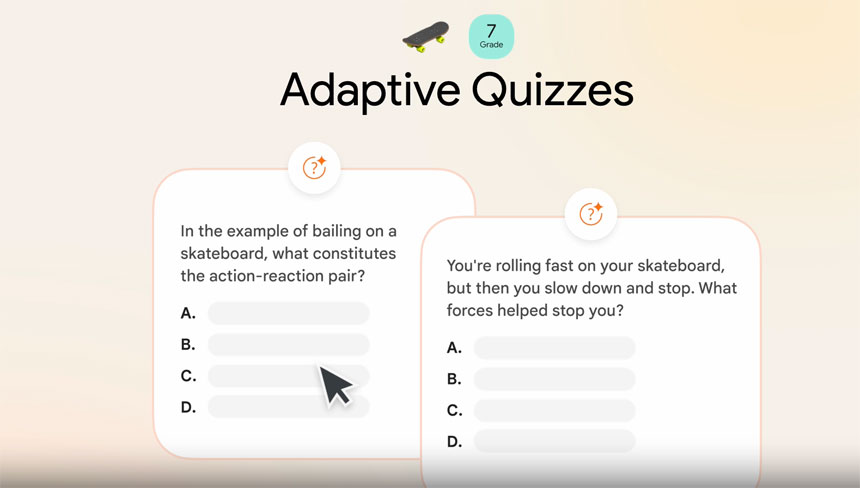
Google introduced its latest experiment this month: an AI tool that turns PDFs and textbooks into interactive lessons (mindmaps, immersive texts, slides, adaptive quizzes, and audio lessons).
The tool, named “Learn Your Way”, adapts the source materials to the user’s level and interests.
According to Google, “Learn Your Way” has been developed in collaboration with pedagogy experts and is backed by research to drive quality and efficacy for every learner.
“It demonstrates what’s possible when we combine Google’s cutting-edge AI research with effective learning science,” said the software giant.
Moreover, the actual research explains Google’s guiding initiative of building an AI-augmented textbook.
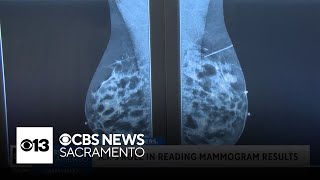
Would you trust artificial intelligence to be your doctor? What about reading a body scan and giving you a diagnosis? Well, a new large-scale study by UC Davis is examining AI’s role in reading mammograms.
Source: Youtube

Congressman Ted Lieu makes the case for strong regulation of AI.
Source: Youtube

Will AI usher in the next industrial revolution?
Source: Youtube