Category: Uncategorized

  • “Universities Must Stop Outsourcing AI and Start Building It,” Says George Siemens

    “Universities Must Stop Outsourcing AI and Start Building It,” Says George Siemens

    IBL News | New York

    Universities must stop outsourcing AI and start building it.

    This is the thesis of George Siemens, a practical futurist and one of the most influential thinkers in digital education, who coined the theory of connectivism and helped launch the first MOOCs.

    • “Universities aren’t just slow, they’re outsourcing their future. Institutions must stop renting tools that don’t reflect their values and start building AI infrastructure as a public good,” he said.

    • “We need to treat AI infrastructure as core to our mission, not as something secondary.”

    • “Building AI-native infrastructure should be treated like building classrooms. It is critical public infrastructure.”

    As George Siemens—who now leads Matter and Space at SNHU, an initiative focused on the future of human development in an AI-saturated world—puts it:

    • “Almost no one is asking, in a sustained and serious way, what it means to design learning for a future where we don’t know what knowledge will remain stable, what skills will retain value, or how humans will continue to matter cognitively.”

    In a Q&A with Allison Dulin Salisbury on Substack.com, George Siemens argued that higher education has been asking the wrong questions and stated that “the most important learning outcomes aren’t being measured.”

    • “The most stable and essential domain of learning will be human wellness. Well-being is not a support system nor an extracurricular. It’s the core.”

    • “In an AI-saturated world, we return to foundational practices—mindfulness, community, spiritual life, relationships, sleep, and diet. These are not new ideas, but they become newly urgent.”

    • “Center wellness must be part of the learning journey.”

    • “Assessment is a particularly strong use case for AI.”

    • “The real shift is toward performance-based assessment that reflects how knowledge is applied in real contexts. With AI, we can create interactive environments where students analyze complex situations, construct arguments, build projects, and revise their work through dialogue. These forms of assessment allow us to capture the process of learning, not just the final product.”

    • “One promising direction is the use of AI agents to support Socratic-style learning. The student engages in conversation with an AI that prompts deeper thinking, challenges assumptions, or simulates a real-world scenario. The interaction itself becomes a kind of assessment. Humans still play a central role in evaluating quality, but AI supports the process by making it more dynamic, personalized, and scalable.”

    • “AI can assess effectively when guided by well-defined rubrics, especially for formative feedback. But high-stakes decisions should remain in human hands.”

    • “But AI lets us avoid the hardcoding behind these systems, making them more dynamic, personalized, and scalable.”

    • “ The LMS helps decide needed interventions or strategies – helping us scale support. Learning designers must understand that an AI will engage with students, content, and curriculum, and present the right information to that AI to personalize student experiences.”

    • “It feels like the real crux of the problem tonight is what we will need to know in the future, and how we will come to know it?”

    • “Today, universities are fairly clear on what they want students to know within specific subject domains. And we have a reasonably stable answer to how students come to know it, largely through a faculty-centric, lecture-based model. That clarity is dissolving.”

    • “We may be only a few years away from much of what is taught in higher education becoming obsolete, and as a sector we mostly just… carry on. The uncertainty is enormous. The ambiguity is uncomfortable. And yet the scale of the risk and the scale of our response feel wildly misaligned.”

    • “There’s something almost Becker-esque about this. In The Denial of Death, Becker argues that some realities are so overwhelming that we develop elaborate ways of not looking directly at them. I worry that the future of knowledge, skills, and learning institutions has become one of those topics. It’s too big, too ominous, too destabilizing to stare at head-on.”

    • “Almost no one is asking, in a sustained and serious way, what it means to design learning for a future where we don’t know what knowledge will remain stable, what skills will retain value, or how humans will continue to matter cognitively. And the fact that this isn’t front and center in higher education conversations baffles me. And honestly, it worries me.”

    • “The anti-AI movement is on track to be one of the most powerful social movements we’ve seen in our lifetimes. AI is a brilliant scapegoat for all sorts of issues because it will shape so many parts of life: you lose your job, have a dehumanizing customer service experience, see expenses rise – you blame AI. It feels like it has agency, making it easy to hate.”

    • “AI can restructure the human experience to allow us greater connection to ourselves, our values, causes we want to participate in, and nature. It could let us feel the joy of being human more often, rather than laboring as machine extensions. This vision might feel naive, but it’s not impossible. It’s very possible if we design for it.”
  • Disney Will License Its Iconic Characters to OpenAI’s Sora Video Generator

    Disney Will License Its Iconic Characters to OpenAI’s Sora Video Generator

    IBL News | New York

    The Walt Disney Company agreed to license for three years to OpenAI’s video generator Sora its 200 animated, masked, and creature characters from Disney, Marvel, Pixar, and Star Wars, including costumes, props, vehicles, and environments, starting in early 2026.

    ChatGPT and Sora’s users will be able to prompt and generate short images and videos, but not voice, using these iconic characters.

    Among them, there are Mickey Mouse, Minnie Mouse, Lilo, Stitch, Ariel, Belle, Beast, Cinderella, Baymax, Simba, Mufasa, as well as characters from the worlds of Encanto, Frozen, Inside Out, Moana, Monsters Inc., Toy Story, Up, Zootopia, plus iconic animated or illustrated versions of Marvel and Lucasfilm characters like Black Panther, Captain America, Deadpool, Groot, Iron Man, Loki, Thor, Thanos, Darth Vader, Han Solo, Luke Skywalker, Leia, the Mandalorian, Stormtroopers, Yoda, etc.

    Alongside the licensing agreement, Disney will become a major customer of OpenAI, using its API to build new products, tools, and experiences, and deploying ChatGPT for its employees.

    As part of the agreement, Disney will make a $1 billion equity investment in OpenAI and receive warrants to purchase additional equity.

    However, OpenAI said, “The transaction is subject to the negotiation of definitive agreements, required corporate and board approvals, and customary closing conditions.”

    Robert A. Iger, CEO, The Walt Disney Company, said, “Through this collaboration with OpenAI, we will thoughtfully and responsibly extend the reach of our storytelling through generative AI, while respecting and protecting creators and their works.”

    “Disney is the global gold standard for storytelling, and we’re excited to partner to allow Sora and ChatGPT Images to expand the way people create and experience great content,” said Sam Altman, co-founder and CEO of OpenAI.

    Under the license, curated selections of Sora-generated videos will be on display on Disney+,

    Among the characters fans will be able to use in their creations are Mickey Mouse, Minnie Mouse, Lilo, Stitch, Ariel, Belle, Beast, Cinderella, Baymax, Simba, Mufasa, as well as characters from the worlds of Encanto, Frozen, Inside Out, Moana, Monsters Inc., Toy Story, Up, Zootopia, and many more; plus iconic animated or illustrated versions of Marvel and Lucasfilm characters like Black Panther, Captain America, Deadpool, Groot, Iron Man, Loki, Thor, Thanos, Darth Vader, Han Solo, Luke Skywalker, Leia, the Mandalorian, Stormtroopers, Yoda and more.

  • Hugging Face Unveiled Two Open-Source Humanoid Robots

    Hugging Face Unveiled Two Open-Source Humanoid Robots

    IBL News | New York

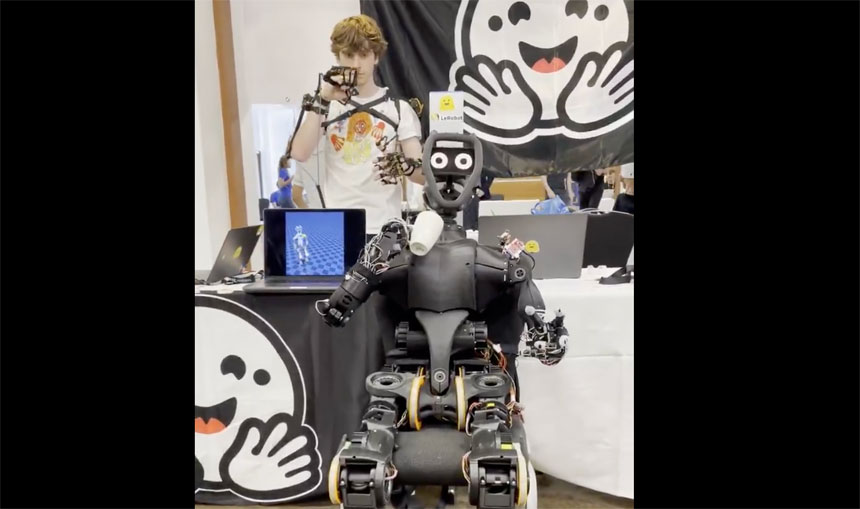
    AI development platform Hugging Face released two open-source robots, HopeJr and Reachy Mini. The first few units are expected to be shipped by the end of the year.

    HopeJR is a humanoid robot capable of walking, moving its arms, and manipulating many objects, with 66 independent movements. It costs under $3,000. 

    Reachy Mini is a desktop unit that can move its head, talk, listen, and be used to test AI apps. The cost will be around $300.

    “The important aspect is that these robots are open source, so anyone can assemble, rebuild, and understand how they work, and that they’re affordable, so that robotics doesn’t get dominated by just a few big players with dangerous black-box systems,” the company’s co-founder and CEO, Clem Delangue, told TechCrunch.

    This robot release was made possible in part by the company’s acquisition of humanoid robotics startup Pollen Robotics, which was announced in April.

    UPDATE JUL 9, 2025:
    Hugging Face said it plans to release two versions of the Reachy Mini. The first, Reachy Mini Wireless, will cost $449 and run a Raspberry Pi 5 mini computer. The second version is the Reachy Mini Lite, which requires a connection to a computing source and is priced at $299.

    The open-source robots are fully programmable in Python and come with a set of pre-installed demos, as well as integration with the Hugging Face Hub, which provides users with access to more than 1.7 million AI models and over 400,000 datasets.

  • A Y Combinator Startup Launches an On-Demand CTO and Founding Engineer

    A Y Combinator Startup Launches an On-Demand CTO and Founding Engineer

    IBL News | New York

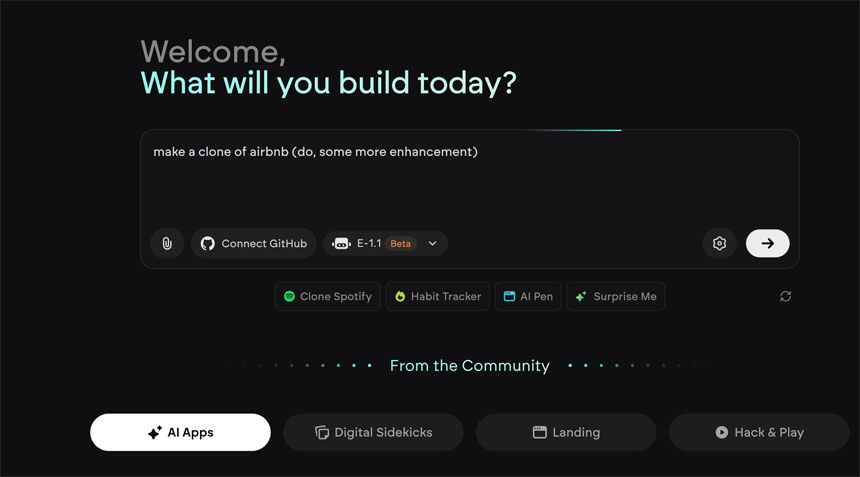
    Emergent, a Y Combinator-backed company, launched a virtual, on-demand CTO engineer this month that develops production-ready apps with backends, databases, and integrations.

    According to the company, this new vibe coding tool goes beyond agent prototypes and mockups, enabling the production of “full-stack applications with stunning UI and real backend, with no developers required.”

    At its core, Emergent is an integrated platform that autonomously builds, tests, and ships software. The user describes his product in plain language, and the platform handles the architecture, logic, and implementation.

    Emergent aims to democratize access to advanced software creation, as AI can truly understand what’s needed and build complete solutions.

    The start-up claimed that in two weeks, users have built over 10,000 apps—these range from landing pages to SaaS tools like AI notetakers, Slack bots, and Figma plugins.

    Emergent was founded by twin brothers, Indian-born and US-educated engineers, Mukund Jha (CEO) and Madhav Jha (CTO).

  • Anthropic Develops a New Tool to Automate Prompt Engineering

    Anthropic Develops a New Tool to Automate Prompt Engineering

    IBL News | New York

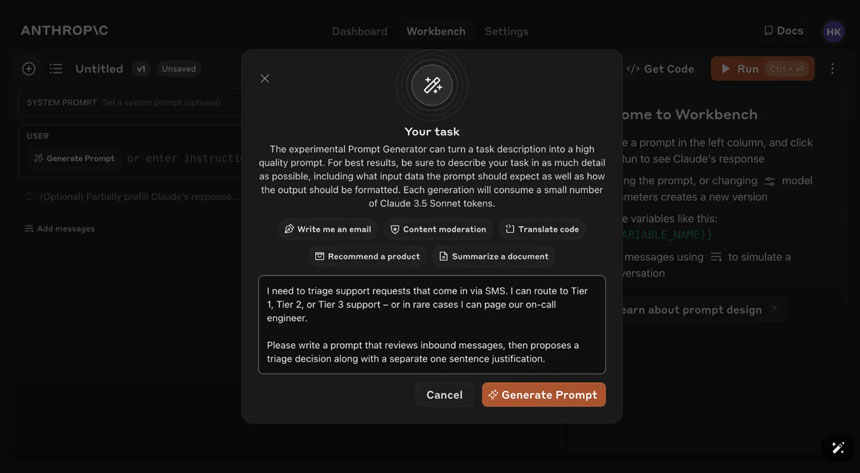
    Anthropic released a new feature on its Claude 3.5 Sonnet console this month, which allows prompts to be generated, tested, and evaluated. It takes a short task description and constructs a much longer, fleshed-out prompt, utilizing Anthropic’s prompt engineering techniques.

    The Claude console offers a built-in prompt generator powered by Claude 3.5 Sonnet. This generator allows users to describe their tasks and generate a high-quality prompt.

    The test case generation feature allows the creation of input variables for the prompt. This means that developers can compare the effectiveness of various prompts side-by-side and rate sample answers on a five-point scale.

    The Anthropic Console is a test kitchen for developers, created to attract businesses looking to build products with Claude.

    It can save developers time and effort, especially with little or no prompt engineering experience.

    Crafting high-quality prompts is challenging. It requires deep knowledge of your application’s needs and expertise with large language models. Prompt engineering has become a highly demanded job in the AI industry.

    “Prompt engineering is one of the most important things for widespread enterprise adoption of generative AI; it sounds simple, but 30 minutes with a prompt engineer can often make an application work when it wasn’t before,” said Anthropic CEO and co-founder Dario Amodei.

  • Google Released ‘Lumiere’, Which Utilizes Unique Architecture to Generate AI Video

    Google Released ‘Lumiere’, Which Utilizes Unique Architecture to Generate AI Video

    IBL News | New York

    Google introduced this week Lumiere, a text-to-video generation AI model designed for to portray realistic clips. It’s one of the most advanced text-to-video generators yet demonstrated, although it is still in a primitive state.

    Existing AI video models synthesize keyframes followed by temporal super-resolution. But Google uses a Space-Time U-Net architecture that generates the entire temporal duration of the video at once, through a single pass in the model.

    “We demonstrate state-of-the-art text-to-video generation results, and show that our design easily facilitates a wide range of content creation tasks and video editing applications, including image-to-video, video inpainting, and stylized generation,” said the company.

    Lumiere does a good job of creating videos of cute animals in ridiculous scenarios, such as using roller skates, driving a car, or playing a piano. It’s worth noting that AI companies often demonstrate video generators with cute animals because generating coherent, non-deformed humans is currently difficult.

    As for training data, Google doesn’t say where it got the videos it fed into Lumiere, writing, “We train our T2V [text to video] model on a dataset containing 30M videos along with their text caption. [sic] The videos are 80 frames long at 16 fps (5 seconds). The base model is trained at 128×128.”

    Other video generators are Meta’s Make-A-Video, Runway’s Gen2, and Stable Video Diffusion, which can generate short clips from still images.
    .


  • Google Announced AI-Powered Features for Classroom Management

    Google Announced AI-Powered Features for Classroom Management

    IBL News | New York

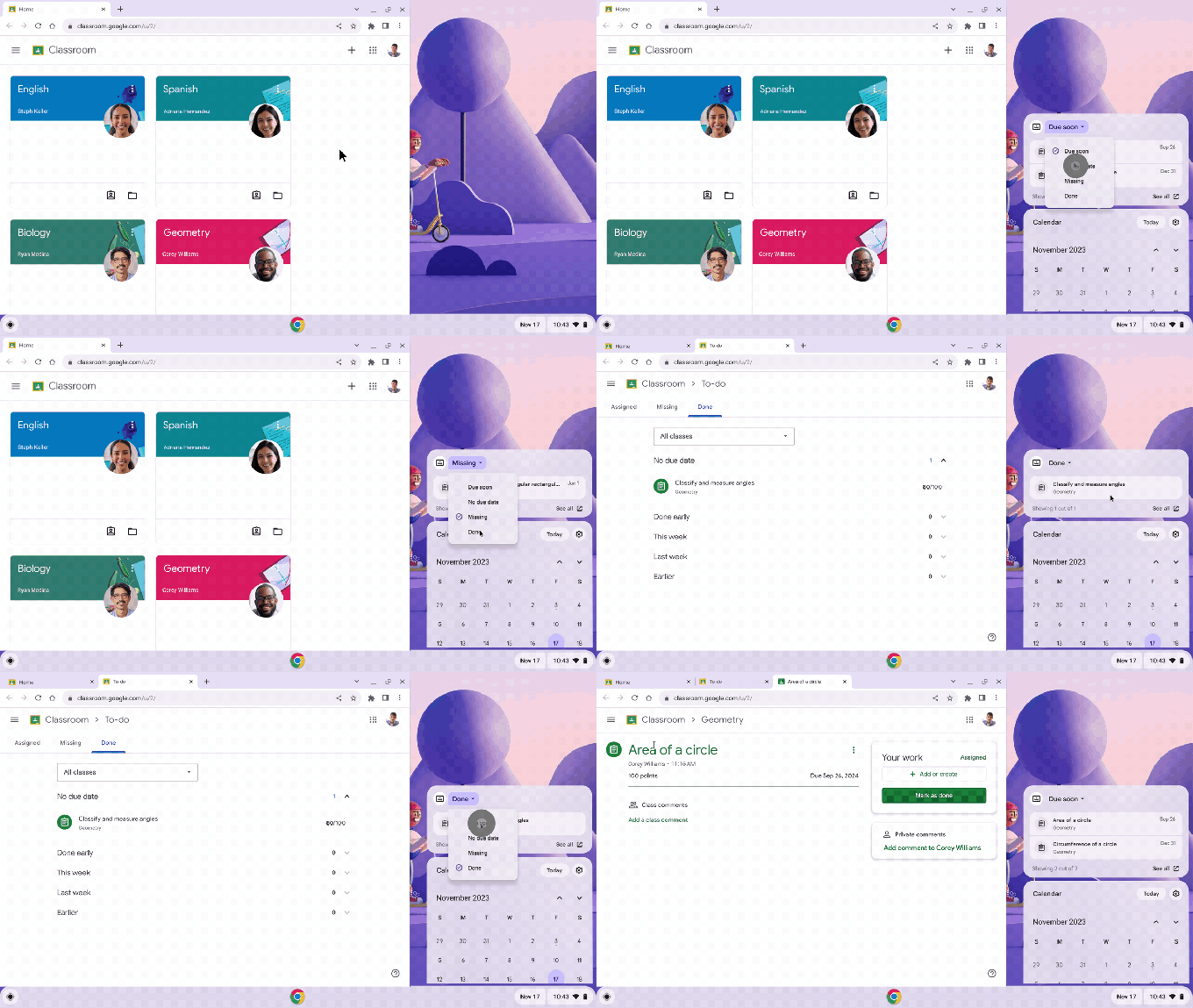
    Google announced AI-powered features for classroom management, questions, and lesson plan creation, as well as other functionalities.

    Teachers will be able to add AI-suggested questions to YouTube videos as part of their Classroom assignment.

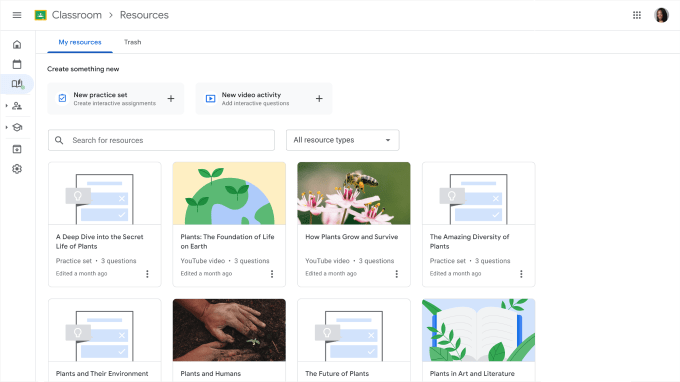
    The Practice sets feature, which uses AI to create answers and general hints, is now available in over 50 languages. Plus, educators can turn a Google Form into a practice set.

    Additionally, Google is introducing a new Resources tab to manage practice sets and interactive questions asked during a video.

    Google’s generative AI tool for Google Workspace, Duet AI, can assist teachers in coming up with a lesson plan.


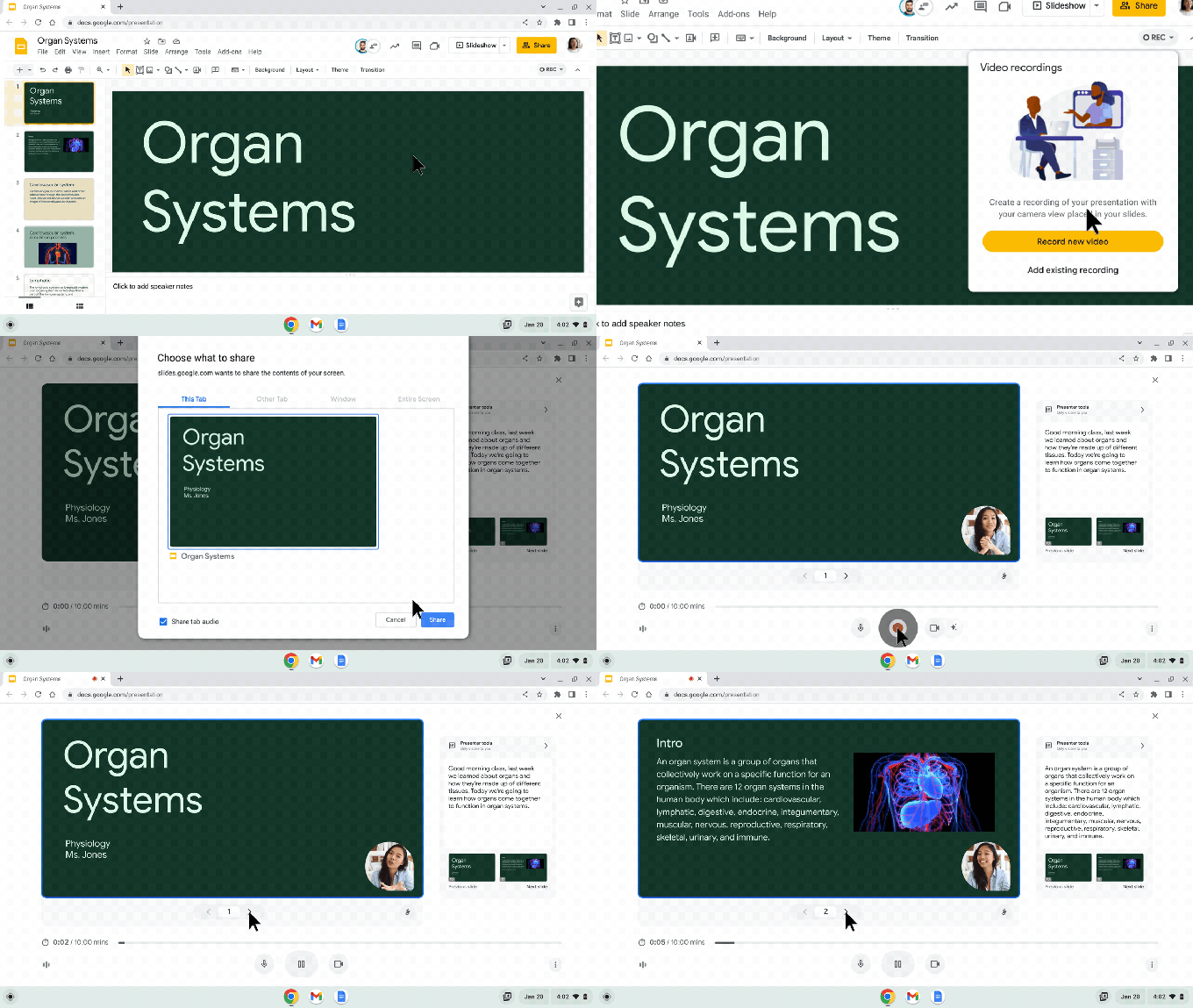
    Teachers will be able to use the speaker spotlight feature in Slides to create a lesson with narration along with the slide deck.

    The company is updating Classroom analytics so educators can look at stats like assignment completion and trends for grades.

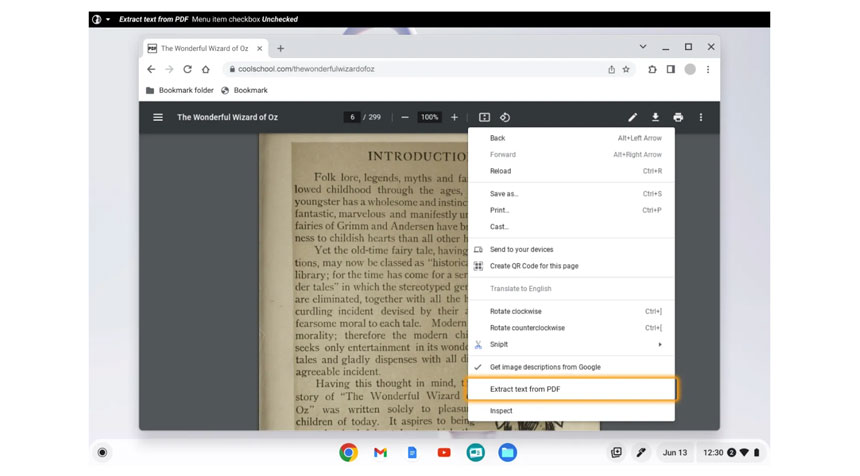
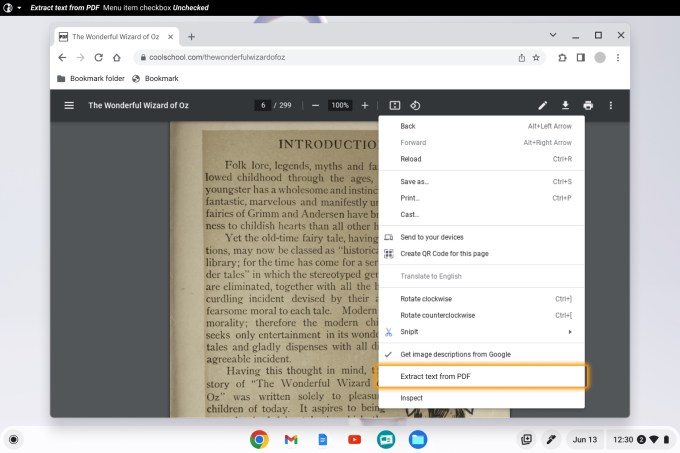
    Google is adding the ability to get text from PDFs for screen readers on ChromeOS.

  • LangChain announced LangSmith, a System for Evaluating and Monitoring LLM Applications

    LangChain announced LangSmith, a System for Evaluating and Monitoring LLM Applications

    IBL News | New York

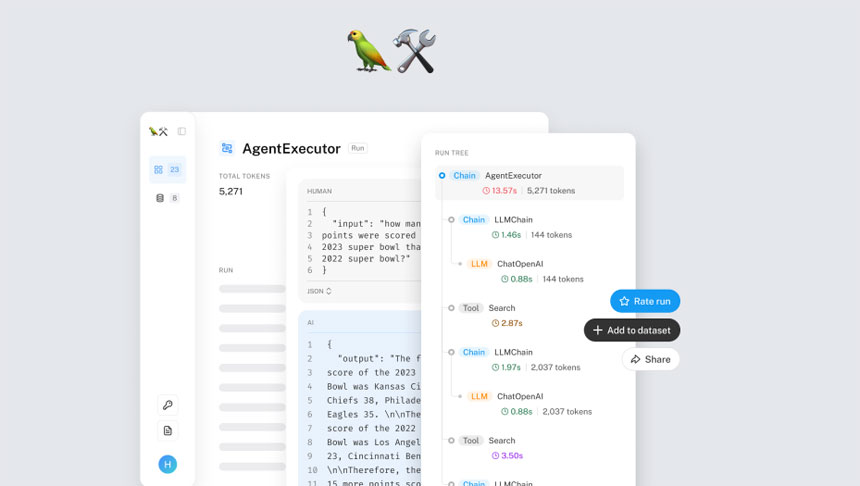
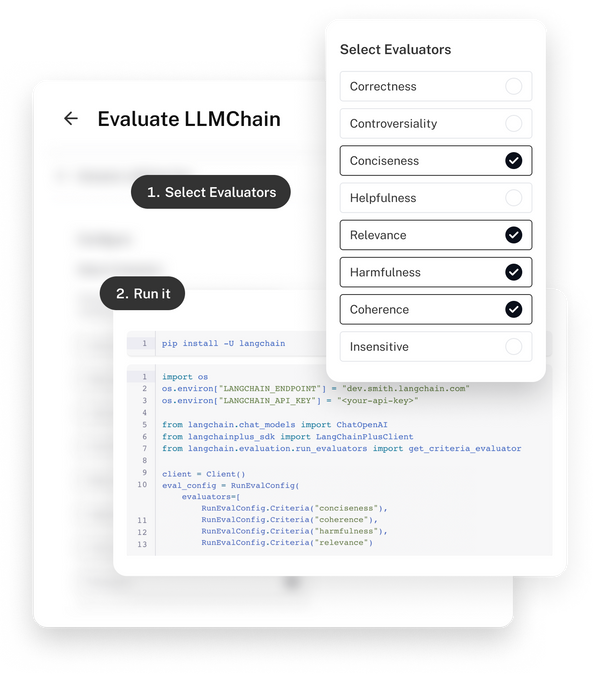
    LangChain announced LangSmith, a unified platform, now in closed beta, for debugging, testing, evaluating, and monitoring Large Language Model (LLM) – powered applications this week.

    “LangSmith is a platform to help developers close the gap between prototype and production; it’s designed for building and iterating on products that can harness the power–and wrangle the complexity–of LLMs,” said the company.“LangChain has been instrumental in helping us prototype intelligent agents at Snowflake,” said Adrien Treuille, Director of Product at Snowflake.

    “LangSmith was easy to integrate, and the agnostic open source API made it very flexible to adapt to our implementation,” tacked on Richard Meng, Senior Software Engineer at Snowflake.

    Boston Consulting Group also built a highly customized and highly performant series of applications on top of LangChain’s framework by relying on this same infrastructure.
    .


  • McKinsey Selected Startup Cohere to Provide Clients Generative AI Solutions

    McKinsey Selected Startup Cohere to Provide Clients Generative AI Solutions

    IBL News | New York

    Consultancy giant McKinsey picked up neutral model provider, Cohere as a partner to sell AI-based customer engagement and workflow automation solutions to its enterprise clients.

    Cohere competes with OpenAI, Google, and Microsoft, with a focus on generative AI solutions for enterprises.

    McKinsey is also considering using Cohere to increase its internal efficiency and power the knowledge management system at the company.

    “We are seeing our clients consider cost, IP protection, and consumer privacy, and how the model is trained. We found Cohere to be one of the great solutions out there,” Ben Ellencweig, senior partner at McKinsey, told Reuters.

    Last month, Cohere raised $270 million from investors, including Nvidia, Oracle, and Salesforce Ventures, at a $2.2 billion valuation.

    It announced a partnership with Oracle, which will embed Cohere’s generative AI technology in its products.

    Bain and Company has teamed up with OpenAI, while Deloitte has partnered with Nvidia.
    .

  • ChatGPT’s iOS and Android App Can Now Search the Web

    ChatGPT’s iOS and Android App Can Now Search the Web

    IBL News | New York

    OpenAI, this week, announced that Plus users on the mobile iOS and Android ChatGPT app can now use Browsing for queries relating to current events and other information that extend original training data, that is, the year 2021.

    This feature can be enabled by selecting “GPT-4” and choosing “Browser with Bing.”

    The fact that Bing is the only search engine available draws critics, as the users don’t have any alternatives to choose from.

    Techcrunch wrote“Limiting ChatGPT’s search capabilities to Bing seems just short of a user-hostile move. The business motivations are obvious — OpenAI has a close partnership with Microsoft, which has invested over $10 billion in the startup — but Bing is far from the be-all and end-all of search engines.”

    Recently, a Stanford study showed evidence that Bing’s top search results contained an “alarming” amount of disinformation.

    On the other hand, also this week, OpenAI’s CEO Sam Altman told some developers that his company wants to turn it into a “supersmart personal assistant for work.”

    With built-in knowledge about an individual and their workplace, this assistant could carry out tasks such as drafting emails or documents in that person’s style and with up-to-date information about their business.

    The assistant features could put OpenAI on a collision course with Microsoft, its primary business partner, investor, and cloud provider, as well as with other OpenAI software customers such as Salesforce.

    Those firms also want to use OpenAI’s software to build AI “copilots” for people to use at work.
    .