Former Intel CEO Pat Gelsinger on Google AI chips: Competition is good for all.
Source: Youtube

Former Intel CEO Pat Gelsinger on Google AI chips: Competition is good for all.
Source: Youtube

Holid-AI shopping surging: Here’s what to know.
Source: Youtube

Building critical thinking by having students critique AI output.
Source: Youtube

The University of Manitoba Faculty Association says students are waiting months for academic integrity hearings and even longer for appeals as a result of an increased number of AI-related misconduct cases.
Source: Youtube

León XIV calls to regain hope and confidence in life.
Source: Youtube

This year’s senior class is the first to have spent nearly its entire college career in the age of generative AI, a type of artificial intelligence that can create new content, like text and images.
Source: Youtube
IBL News | New York
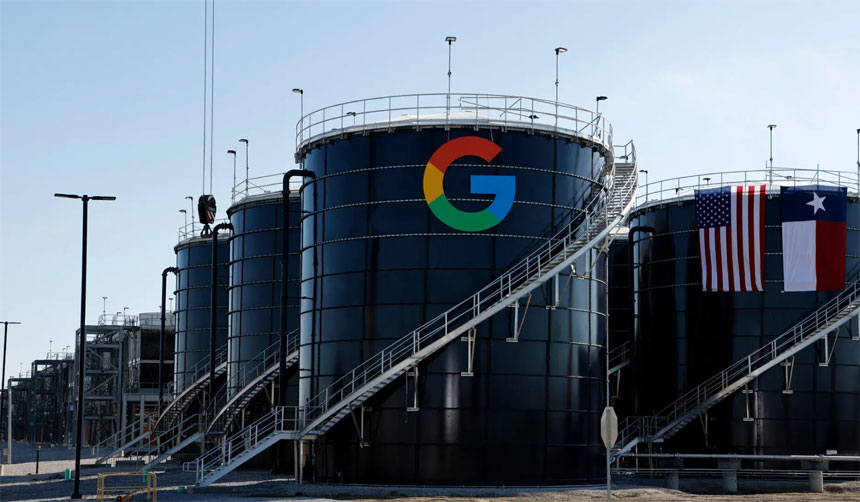
Data centers the size of theme parks are sprouting around the country, and developers and chipmakers are raking in hundreds of billions of dollars in investments.
The US economy in 2025 is split into two: Everything tied to artificial intelligence is booming. Just about everything else is not, an analysis in The New York Times says.
Investments in computer equipment and software accounted for more than 90 percent of growth in gross domestic product in the first half of the year, with the AI gold rush explaining the economy’s surprising resilience this year.
U.S. companies spent more than $60 billion on computer equipment in the second quarter, up 45 percent from a year earlier. They spent another $10 billion on data center construction, up 35% from the previous year. Artificial intelligence probably accounts for most of that growth, economists and industry experts say.
“Unemployment has risen, hiring has slowed, and industries including manufacturing and home building are cutting jobs. Consumer sentiment has slumped amid high prices. The public sector has been weighed down by budget cuts and federal layoffs. Tariffs, and the uncertainty surrounding them, have been a drag on international trade and led to slower investment by many companies.”
In the stock market, seven companies, including Amazon, Microsoft, and Alphabet, the parent company of Google, now account for well over a third of the S&P 500 index’s value. Just one of the so-called Magnificent Seven, Nvidia, which makes the chips that power many of the most advanced large language models, recently, though briefly, topped $5 trillion in market value.
Such valuations are predicated on assumptions that recent rapid growth will continue for years.

Trump confirmed that he had a phone conversation with Chinese President Xi Jinping.
Source: Youtube

United States designates the Cartel of the Suns as a foreign terrorist organization.
Source: Youtube

Ukraine accepts peace proposal with Russia but there are still details to be resolved, says official.
Source: Youtube