Category: Top News

  • Canva Unveils New AI-Powered Design Tools

    Canva Unveils New AI-Powered Design Tools

    IBL News | New York

    Visual communication platform Canva, which touts 120 million users, announced today a host of new AI-powered design tools and a new Brand Hub.

    “Ten years ago, we launched Canva driven by a vision to empower everyone to design anything, no matter their skills or experience,” said Canva co-founder and CEO Melanie Perkins in a statement. “Today, the huge advancements we’re seeing with artificial intelligence have given us the opportunity to once again reimagine the design process.”

    Assistant lets users search for design elements and gives recommendations on graphics and styles that match existing designs.

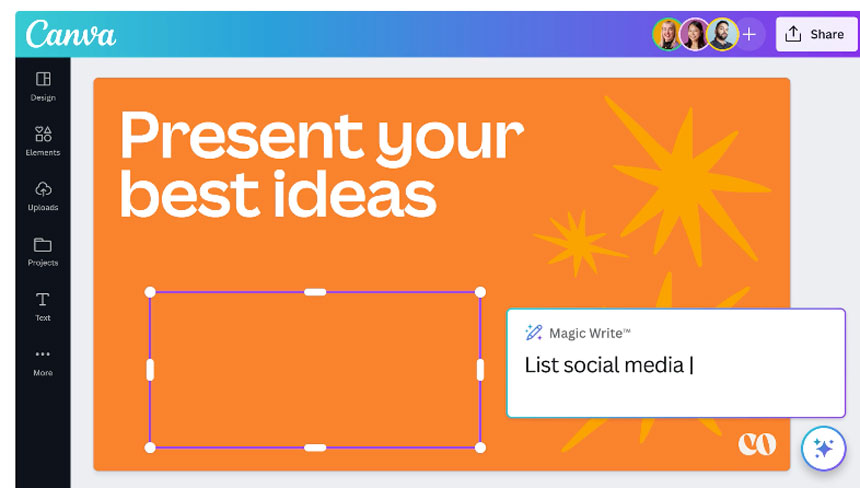
    It also provides access to Magic Write, the platform AI copyright assistant launched in December used for writing website copy, presentation summaries, and ideas.

    • Canva has also launched a new way to automatically generate presentations.

    • A new “Magic Edit” feature lets add or replace anything in an image. A “Magic Eraser” feature allows users to clean up unwanted details in images by brushing over the area.
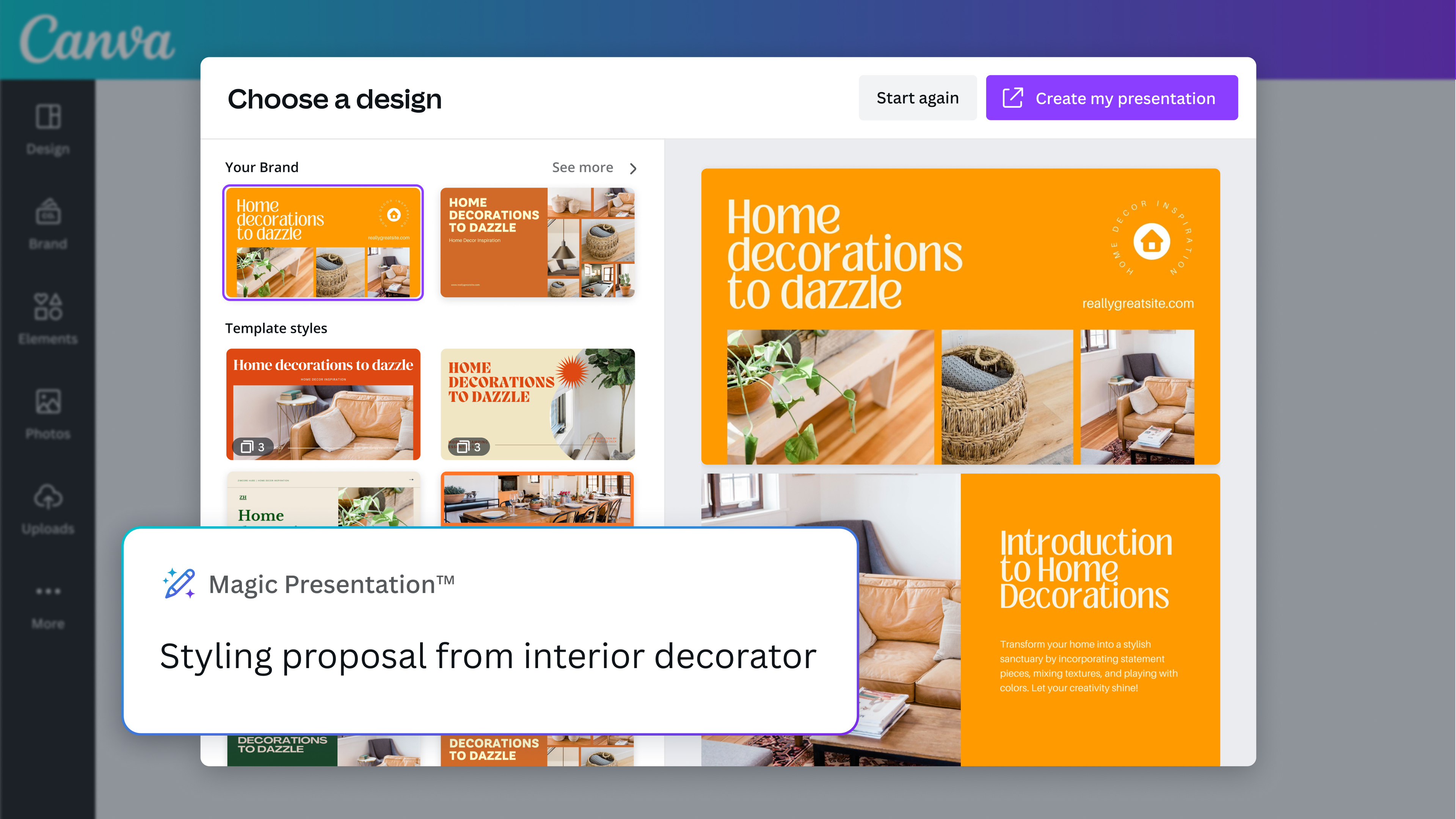
    Canva Magic Presentations

    • Canva’s new “Beat Sync” automatically matches video footage to a soundtrack, along with a new “Translate” feature that automatically translates text in designs to over 100 different languages.

    In addition to the new AI-powered tools, Canva is introducing a set of new features that it says users have requested:

    — “Draw” lets users sketch a simple shape, like a circle, and then have it transform into a polished circle.

    — “Layouts” allows users to add content to a page and get recommendations for layout ideas for a design

    — “Styles” gives users the ability to browse suggested color palettes and fonts.

    — “Layers” tool can be used to see all elements in one place, including text, shapes, images, and video.
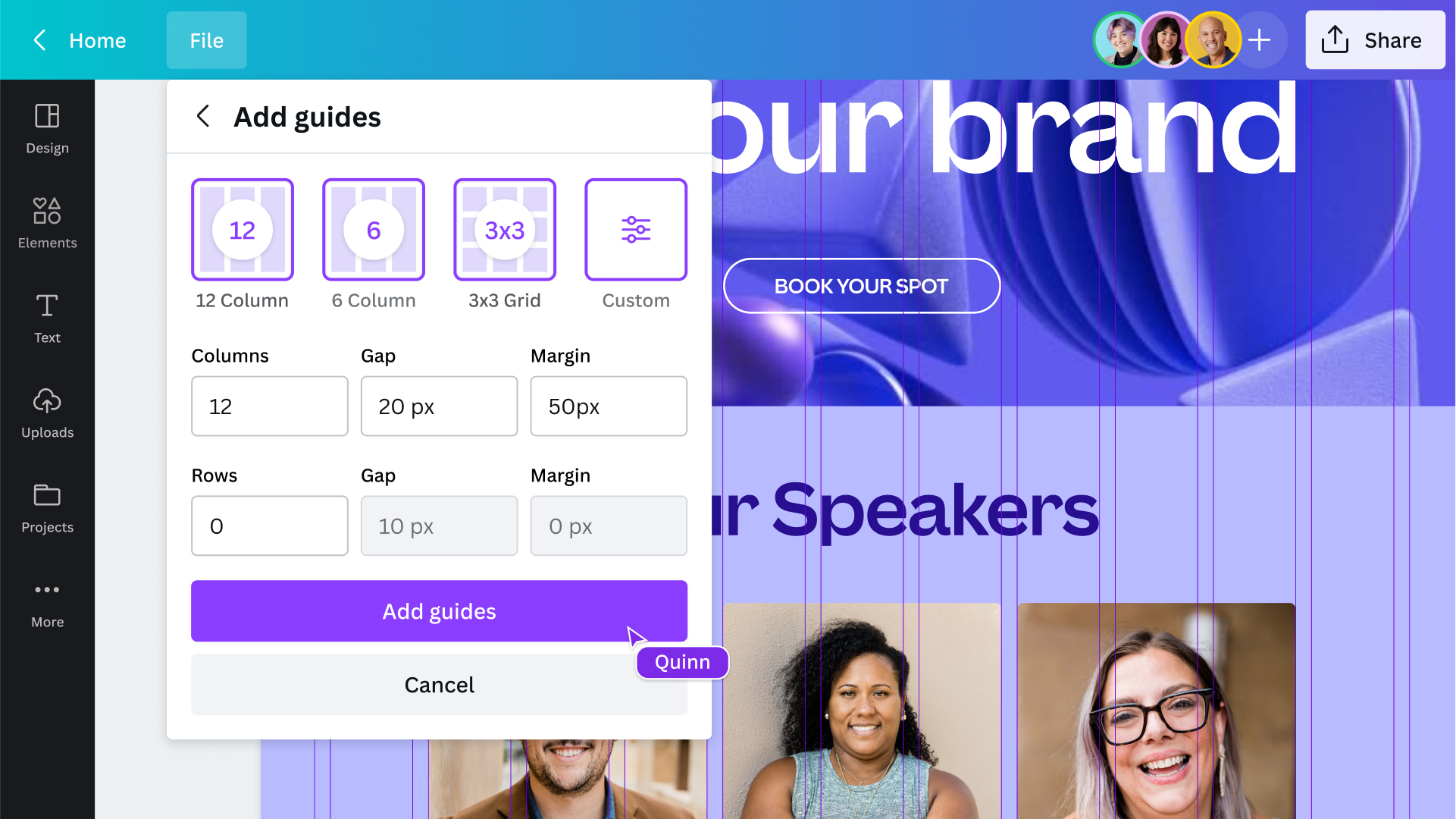
    Canva Layouts

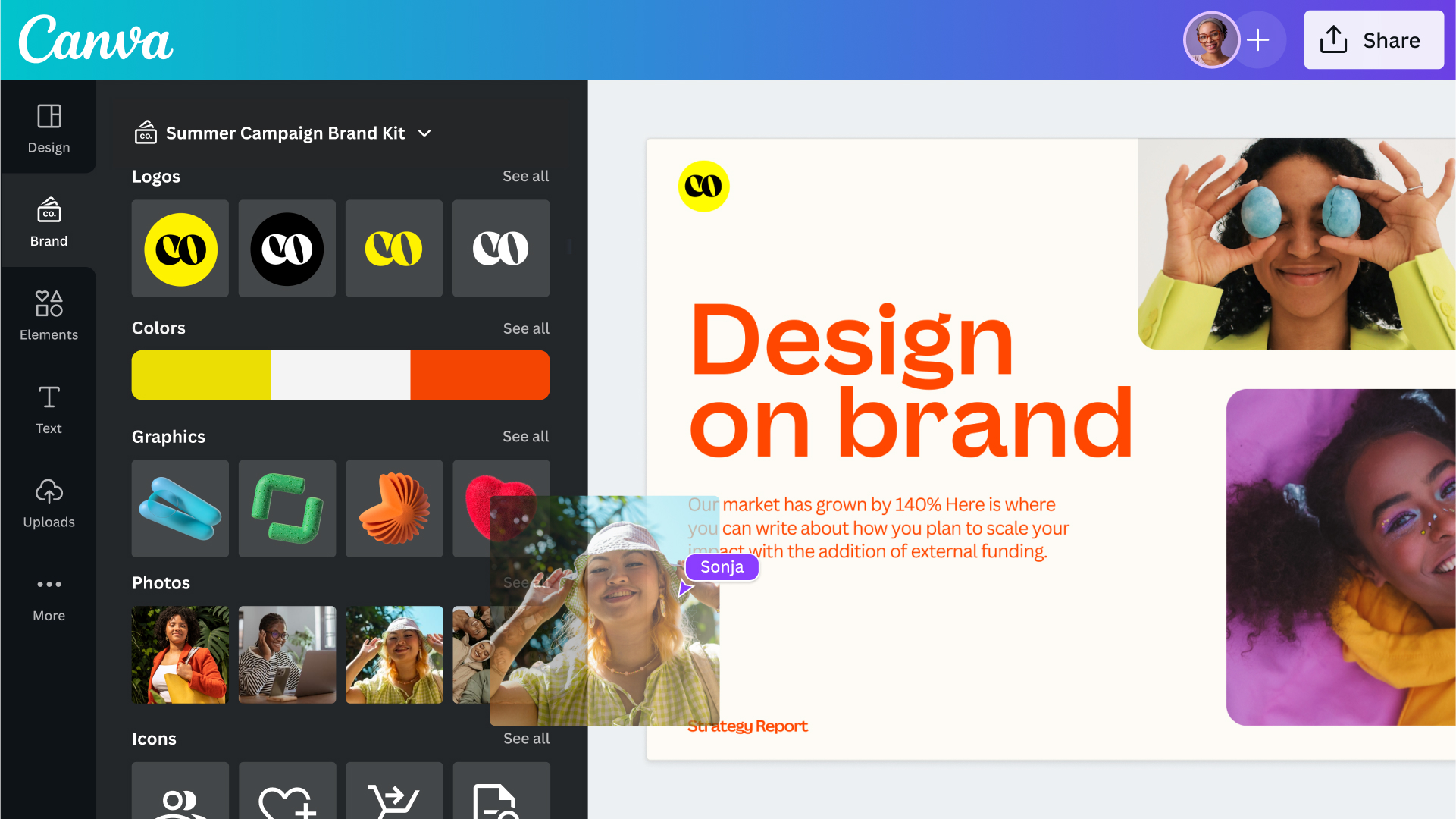
    Canva brand kit

    https://www.youtube.com/watch?v=FSJTA9BG-ds

  • GitHub Launches an Upgraded AI Assistant for Developers, Copilot X, With GPT-4

    GitHub Launches an Upgraded AI Assistant for Developers, Copilot X, With GPT-4

    IBL News | New York

    The GitHub Copilot programming app, owned by Microsoft, is being upgraded to use OpenAI’s latest GPT-4 language model, as the owner company Microsoft announced yesterday.

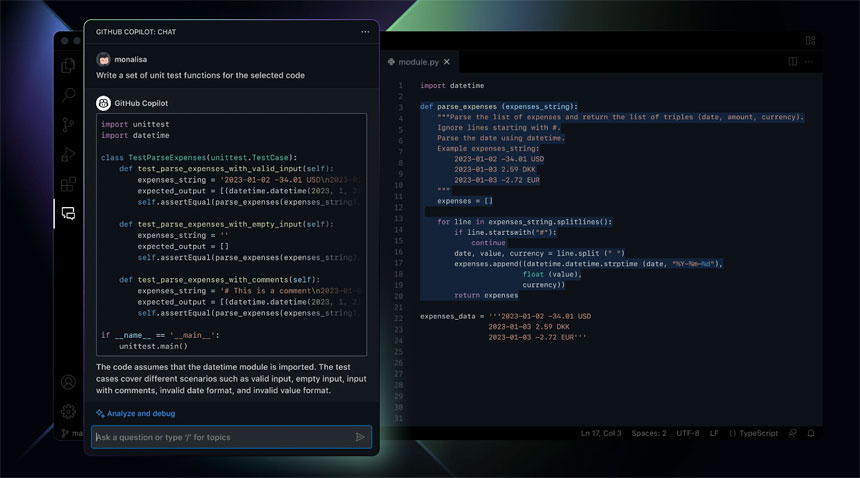
    In addition, GitHub is adding a chat and voice feature, so developers can give instructions or ask questions using their voice. It also brings Copilot to pull requests, the command line, and docs to answer questions on projects.

    The new version, called Copilot X, can provide explanations of what segments of code are meant to do, create ways to test the code and propose fixes for bugs.

    Developers can sign up for a waitlist to preview the new service.

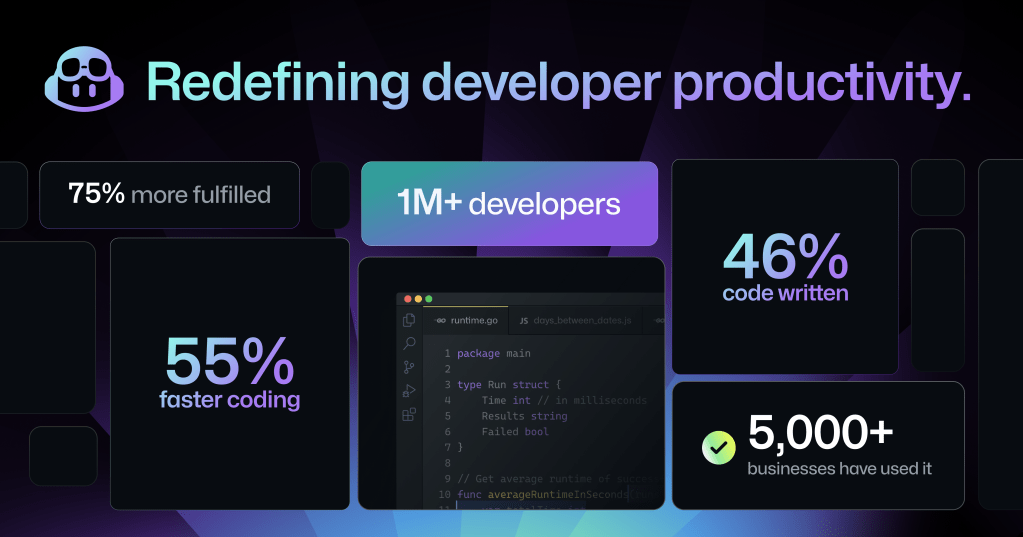
    “With AI available at every step, we can fundamentally redefine developer productivity; we are reducing boilerplate and manual tasks and making complex work easier across the developer lifecycle,” wrote Thomas Dohmke from GitHub. “GitHub Copilot is already writing 46% of code and helps developers code up to 55% faster.”

    A graphic showing how many developers and companies have already used GitHub Copilot and how it's helping improve productivity and happiness.


  • Anthropic Launched ‘Claude’ A More Ethical Bot That Competes With ChatGPT

    Anthropic Launched ‘Claude’ A More Ethical Bot That Competes With ChatGPT

    IBL News | New York

    Anthropic, a Google-backed startup co-founded by ex-OpenAI employees, launched a chatbot called Claude that competes directly with offerings from Microsoft Corp-backed OpenAI, the creator of ChatGPT.

    The company, run by a former OpenAI researcher, Dario Amodei, said that it wants to be more ethical than ChatGPT, producing less harmful outputs.

    Anthropic explained it gave Claude a set of principles at the time the model is “trained” with vast amounts of text data. Rather than trying to avoid potentially dangerous topics, Claude is designed to explain its objections based on its principles.

    The pricing of Claude has not been detailed yet, although two versions are available via an API, Claude and a faster Claude Instant.

    Like ChatGPT, Claude can be instructed to perform a range of tasks, such as answering questions, writing, summarizing, translating, explaining complex concepts, searching across documents, editing legal contracts, and coding.

    Anthropic has been quietly testing Claude with launch partners, including Robin AI, AssemblyAI, Notion AI, Quora, and DuckDuckGo.

    Both Quora’s Poe chatbot and DuckDockGo use a combination of GPT-4 and Claude+, currently the two most advanced language models in the market.

    Experts said that Claude is reportedly worse at math and a poorer programmer than ChatGPT, and it equally hallucinates.

    Recently, Google pledged $300 million in Anthropic for a 10% stake in the startup. Under the terms of the deal, Anthropic agreed to make Google Cloud its “preferred cloud provider.”

    Large language models are algorithms that are taught to generate text by feeding them human-written training text. In recent years, researchers have obtained much more human-like results with such models by drastically increasing the amount of data fed to them and the amount of computing power used to train them.

  • Google Shows What AI-Embedded Writing Will Look Like in Gmail and Google Docs

    Google Shows What AI-Embedded Writing Will Look Like in Gmail and Google Docs

    IBL News | New York

    Google announced that it plans to embed generative AI in Gmail and Google Docs yesterday, as shown in the video below.

    These features of this “collaborative AI partner” are not out yet. They will be launched via Google’s tester program, starting with English in the U.S., this month.

    “From there, we’ll iterate and refine the experiences before making them available more broadly to consumers, small businesses, enterprises, and educational institutions in more countries and languages,” wrote Johanna Voolich Wright Vice President, of Product at Google Workspace.

    For now, Google says it is only “sharing our broader vision” across Gmail, Docs, Slides, Sheets, Meet, and Chat.

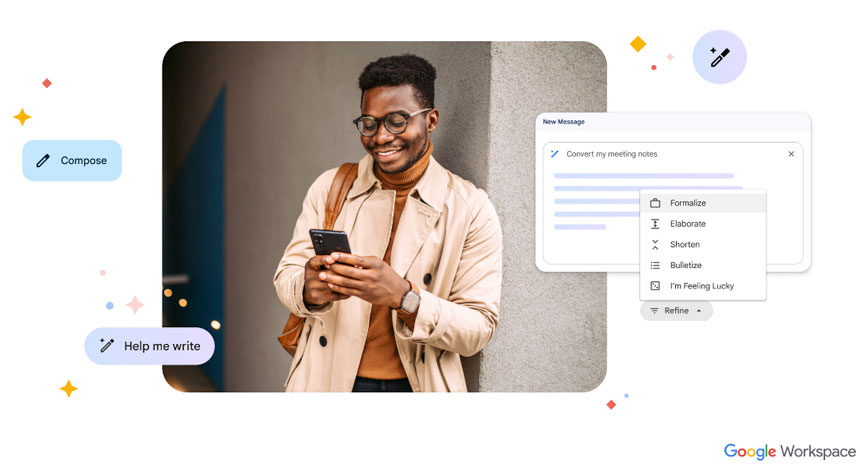
    A “help me write” box in Gmail and Google Docs will let users type what they want
    and AI will spit out a block of text based on that prompt. In addition, Google’s “collaborative AI partner” into Workspace will result in these features:

    • draft, reply, summarize, and prioritize your Gmail
    • brainstorm, proofread, write, and rewrite in Docs
    • bring your creative vision to life with auto-generated images, audio, and video in Slides
    • go from raw data to insights and analysis via auto completion, formula generation, and contextual categorization in Sheets
    • generate new backgrounds and capture notes in Meet
    • enable workflows for getting things done in Chat

    Google Cloud also announced generative AI support in Vertex AI and Generative AI App Builder, helping businesses and governments build gen apps.

    So far, the company has opened up API access to a language model, but it hasn’t been any real consumer product launch.

    Analysts interpret that Google is in total panic over the rise of ChatGPT and AI-powered text. Just like how Google put social features into every product back in the G+ days, the plan going forward is to build ChatGPT-style generative text into every Google product.


  • Microsoft Corp Embeds Generative AI Into Word, Excel, PowerPoint, Outlook, and Teams

    Microsoft Corp Embeds Generative AI Into Word, Excel, PowerPoint, Outlook, and Teams

    IBL News | New York

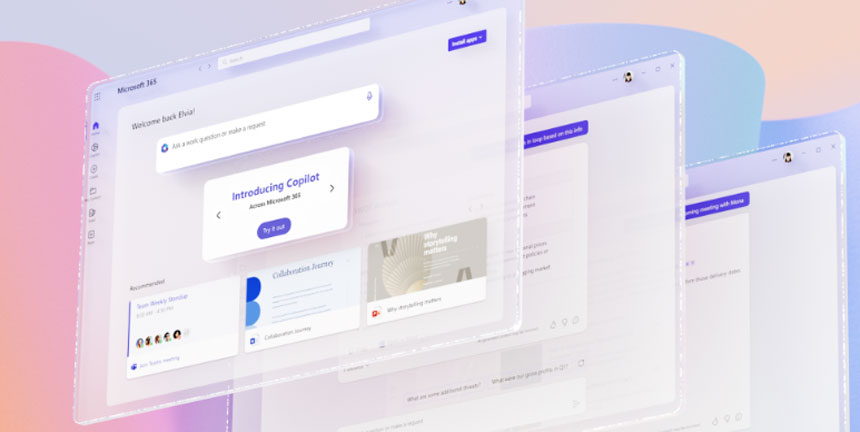
    Microsoft Corp. announced it embedded generative AI and the large language models (LLMs) into its Microsoft 365 productivity apps: Word, Excel, PowerPoint, Outlook, and Teams, this week.

    Currently,  Microsoft 365 Copilot is already being tested with a small group of around 20 customers.

    The company also announced Business Chat, which works across the customer’s calendar, emails, chats, documents, meetings, and contacts.

    “It does things that people weren’t able to do before. With natural language prompts like tell my team how we updated the product strategy, it will generate a status update based on the morning’s meetings, emails, and chat threads,” explained the company.

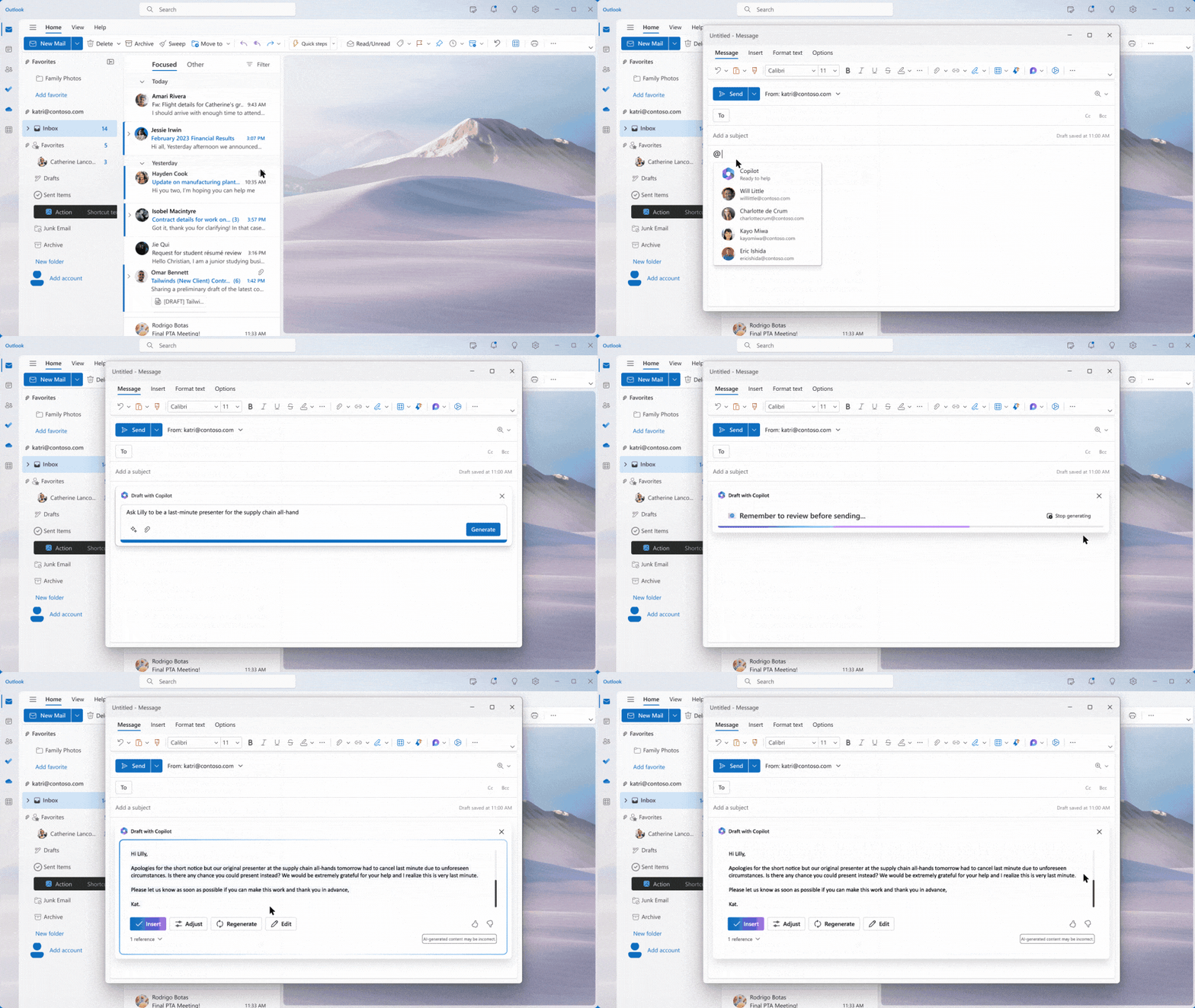
    In Word, Copilot can suggest tones (including “professional,” “passionate,” “casual” and “thankful”).

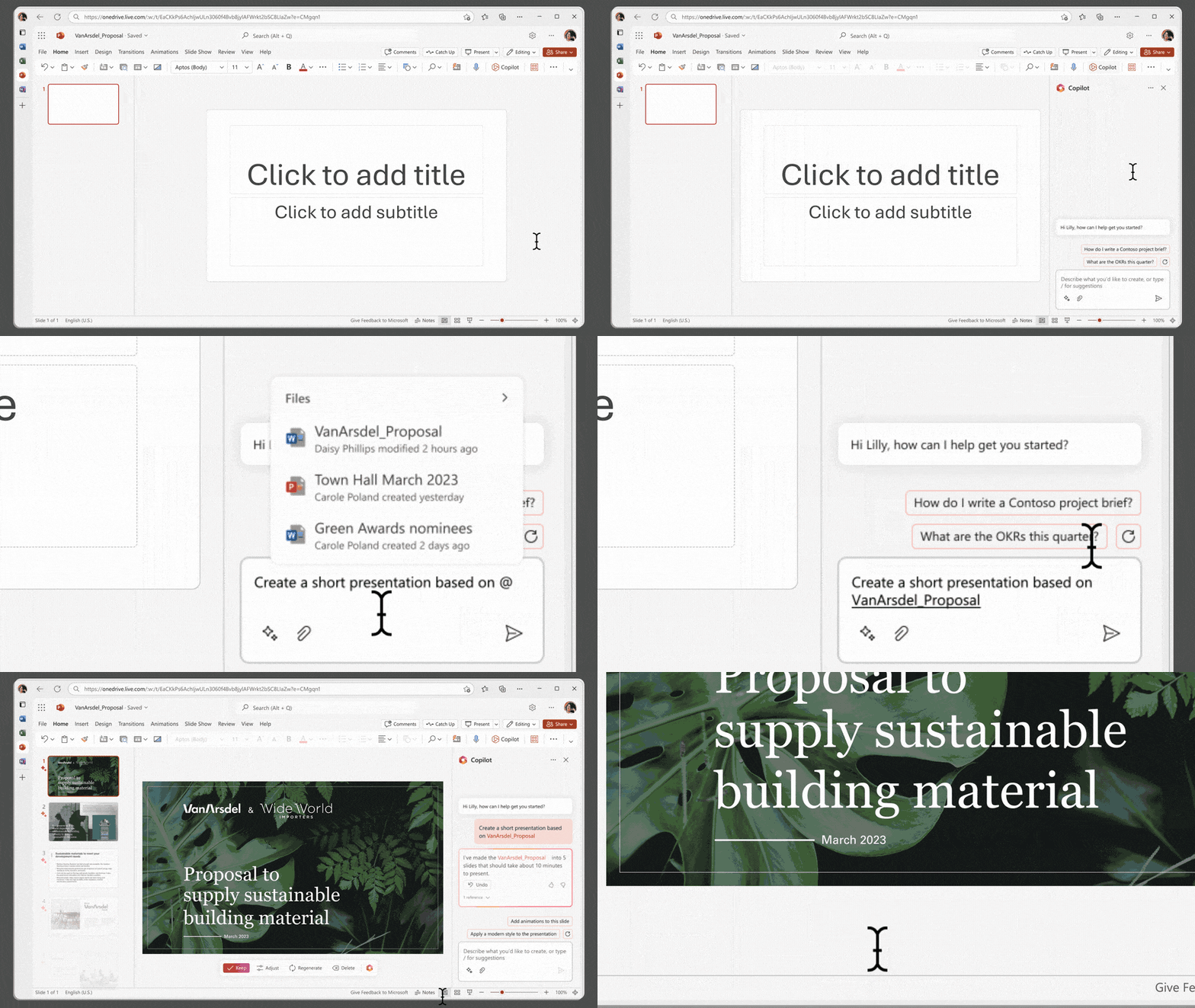
    In PowerPoint, Copilot can create a presentation based on a Word document, complete with a slick deck, speaker notes, source citations, and animations.

    Microsoft 365 Copilot does the following, according to the company:

    • Copilot in Word writes, edits, summarizes, and creates right alongside people as they work.
    • Copilot in PowerPoint enables the creation process by turning ideas into a designed presentation through natural language commands.
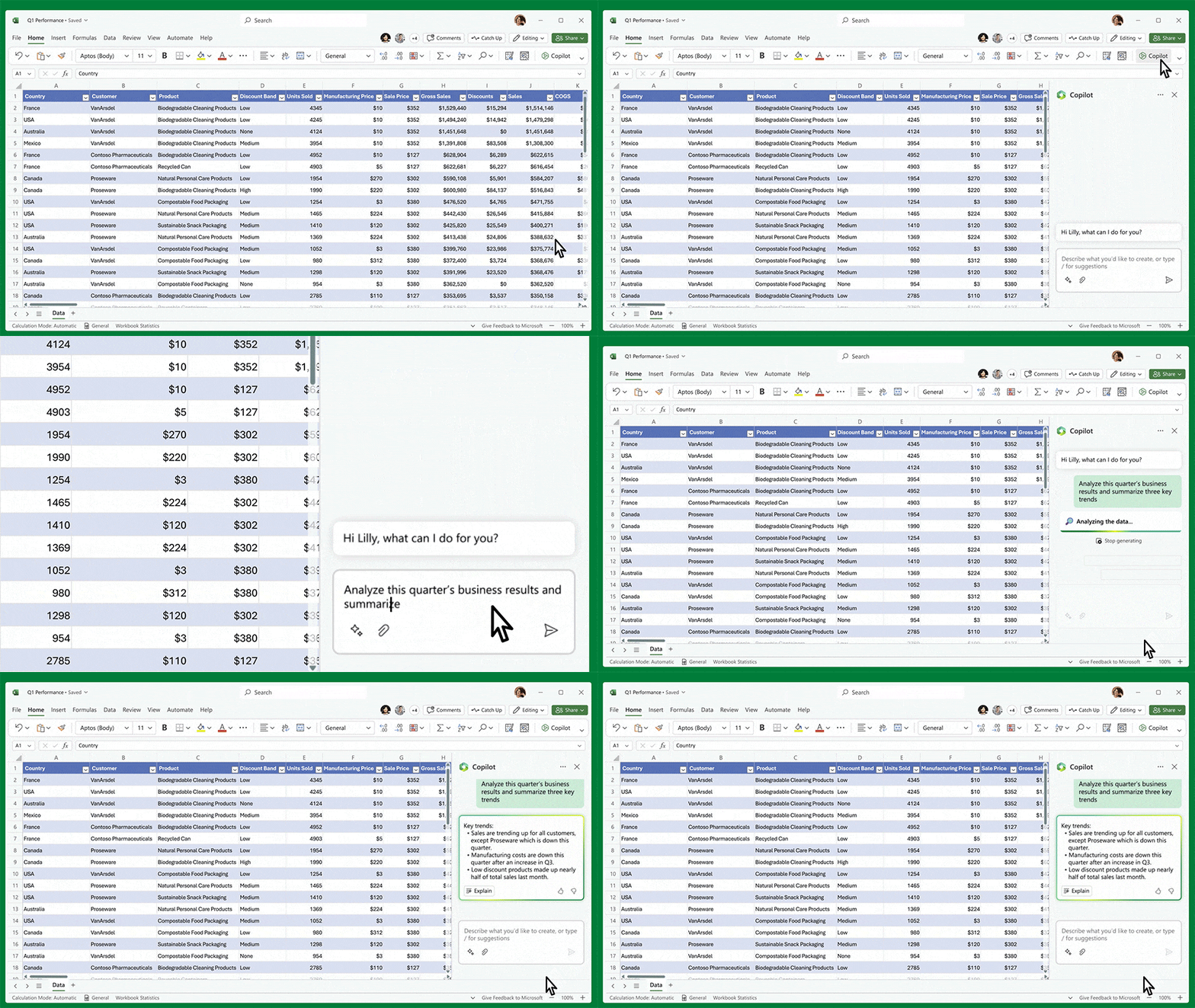
    • Copilot in Excel helps unlock insights, identify trends or create professional-looking data visualizations in a fraction of the time.
    • Copilot in Outlook can help synthesize and manage the inbox to allow more time to be spent on actually communicating.
    • Copilot in Teams makes meetings more productive with real-time summaries and action items directly in the context of the conversation.
    • Copilot in Power Platform will help developers of all skill levels accelerate and streamline development with low-code tools with the introduction of two new capabilities within Power Apps and Power Virtual Agents.
    • Business Chat brings together data from across documents, presentations, email, calendar, notes and contacts to help summarize chats, write emails, find key dates or even write a plan based on other project files.

    “Today marks the next major step in the evolution of how we interact with computing, which will fundamentally change the way we work and unlock a new wave of productivity growth,” said Satya Nadella, Chairman and CEO of Microsoft.

    Earlier this month Microsoft announced Dynamics 365 Copilot for both CRM and ERP. It also added to Microsoft Viva.


  • Duolingo and Khan Academy Are Integrating the GPT-4 Model Into Their Offer

    Duolingo and Khan Academy Are Integrating the GPT-4 Model Into Their Offer

    IBL News | New York

    Two EdTech organizations, Duolingo and Khan Academy, are among the six outlets featured by OpenAI that are integrating OpenAI’s latest GPT-4 model into their products.

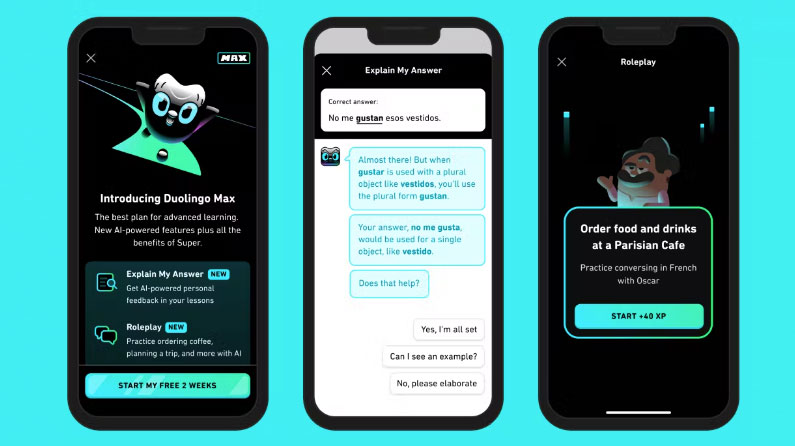
    After realizing that GPT-4 had learned from enough public data to create a flexible back-and-forth for the learner, Duolingo turned to this technology with two new features: Role Play, an AI real-world conversation partner, and Explain my Answer, an AI tutoring that breaks down the rules when you make a mistake, in a new subscription tier called Duolingo Max, which will be available for $30 per month or $167.99 per year.

    With 50 million learners, 100+ courses in 40 languages, Duolingo is using these new features in Spanish and French for now, with plans to expand to more languages and introduce new features.

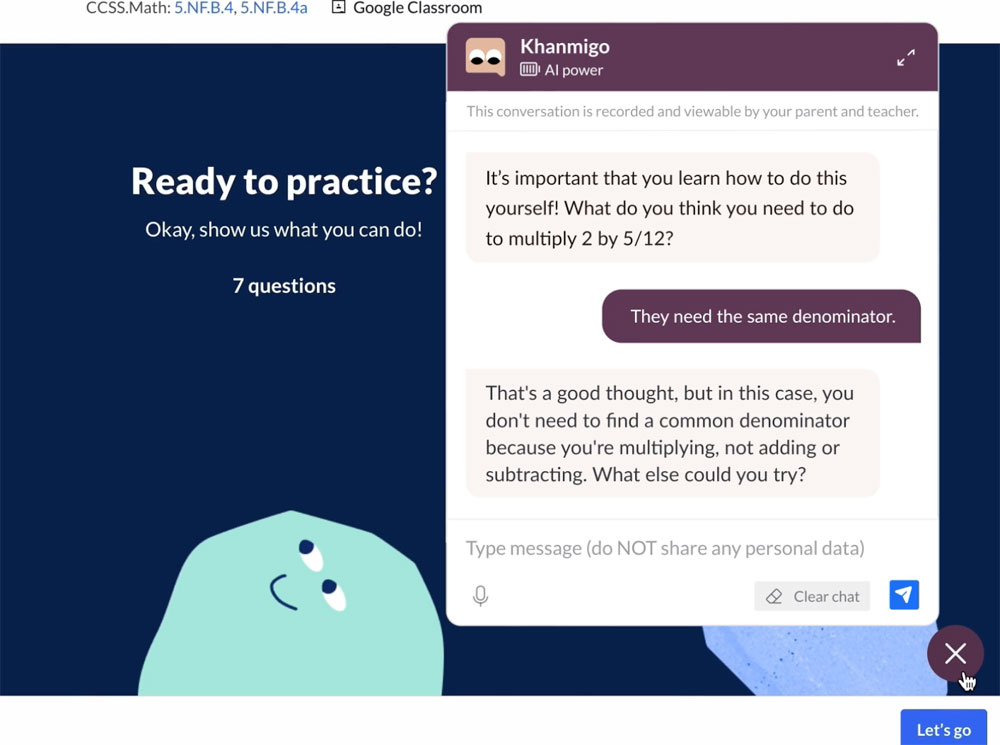
    With thousands of lessons in math, science, and the humanities for students of all ages, the non-profit Khan Academy announced it will use GPT-4 to power Khanmigo, an AI-powered assistant that functions, now as a pilot, as both a virtual tutor for students and a classroom assistant for teachers.

    Khan Academy will initially make the Khanmigo pilot program available to a limited number of participants, though the public is invited to join the waitlist.

    “We think GPT-4 is opening up new frontiers in education,” said Khan Academy’s Chief Learning Officer Kristen DiCerbo. “A lot of people have dreamed about this kind of technology for a long time. It’s transformative and we plan to proceed responsibly with testing to explore if it can be used effectively for learning and teaching.”

    “We see this technology as a potential way to accelerate our roadmap of building more tutor-like abilities into our platform within the next few years, while also providing capabilities we had only dreamed of before. Without a really powerful large-language model, these ideas weren’t feasible, but now we think we can make real progress,” said Director of Engineering, Shawn Jansepar.

    The non-profit is testing out ways teachers could use GPT-4, such as writing classroom prompts or creating instructional materials for lessons.

    “What’s even more exciting is the potential to help teachers tailor learning for every student quickly and easily. We think teachers could use GPT-4 to get a snapshot of how every student in their class is doing at Khan Academy on any given day. We’re going to test out that feature in the very near future.”


  • Bing, Microsoft’s Search Engine, Crossed 100 Million Daily Active Users

    Bing, Microsoft’s Search Engine, Crossed 100 Million Daily Active Users

    IBL News | New York

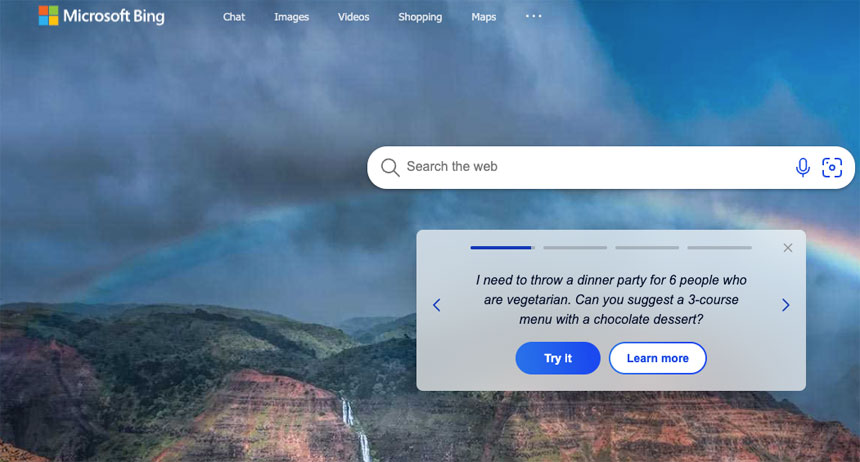
    Microsoft crossed 100 million daily active users of Bing, a third being new users, according to the company’s data.

    “This is a surprisingly notable figure, and yet we are fully aware we remain a small, low, single-digit share player,” said a Microsoft executive, Yusuf Mehdi, in a blog post. “That said, it feels good to be at the dance!”

    The software giant attributes the increase to its “reinvention and of the unique value proposition of combining Search + Answers + Chat + Creation in one experience.”

    “It’s been an amazing 30 days, and the team is energized to continue to iterate and improve Bing and Edge to deliver the next generation of search and what we hope becomes your trusted copilot for the web.”

    Roughly one-third of users are using Chat daily. On average, there are three chats per session. Around 15 percent of Chat sessions are people using Bing to generate new content.

  • Stripe Integrates OpenAI’s New GPT-4 AI Into Its Digital Payment Process

    Stripe Integrates OpenAI’s New GPT-4 AI Into Its Digital Payment Process

    IBL News | New York

    Stripe started to integrate OpenAI’s latest GTP-4 model into its digital payment process and services, the company announced on Wednesday.

    This is one of the first known integration of OpenAI’s new technology.

    The news followed an announcement by Microsoft Corp—backed OpenAI that it would release GPT-4, a new version of ChatGPT.

    “Beyond payments, Stripe is helping us with everything from recurring billing and tax compliance to automating our financial operations,” said Peter Welinder, vice president of product and partnerships at OpenAI.

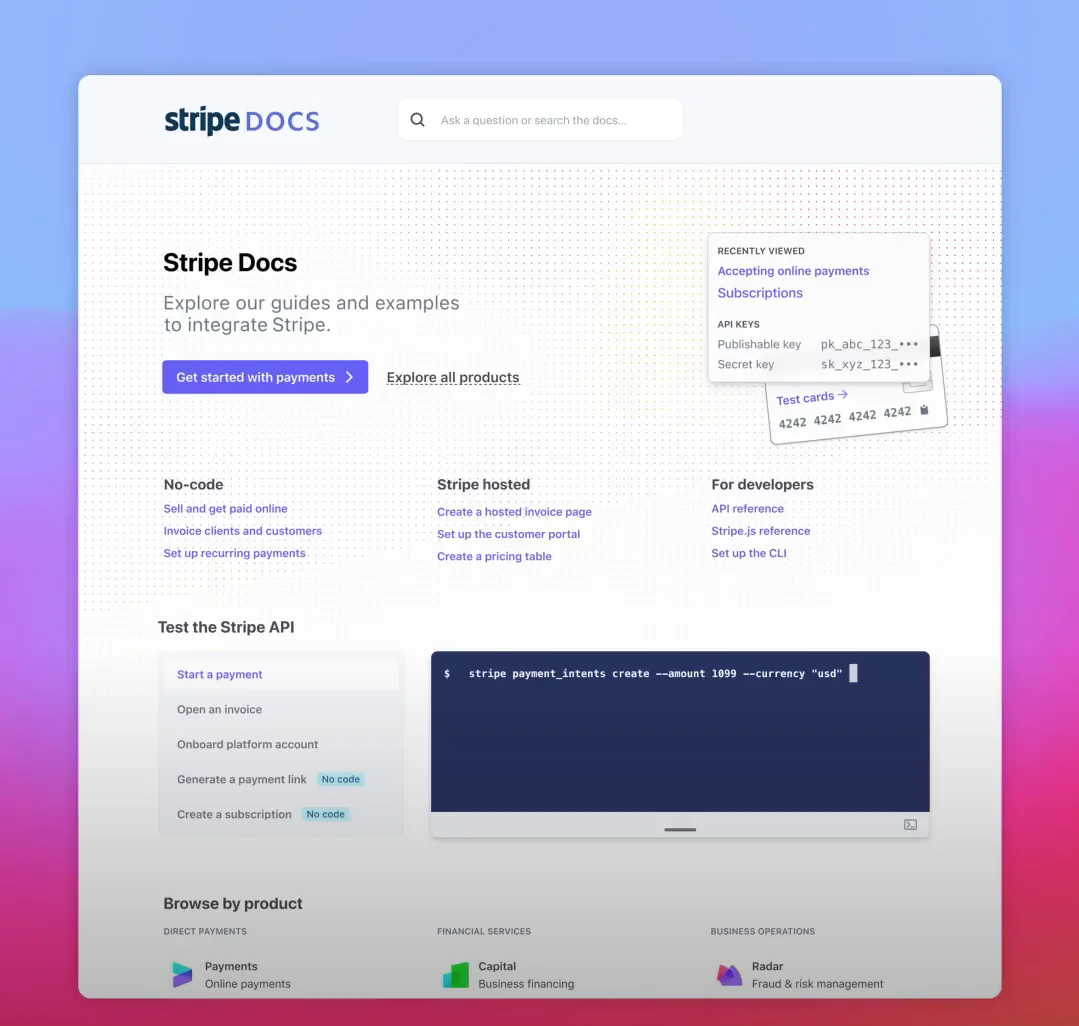
    The first offering is GPT-powered Stripe Docs. It will allow software developers to type out natural language queries within Stripe Docs to GPT-4, which will answer by summarizing the relevant parts of the documentation or extracting specific pieces of information.

    Another test in the works allows Stripe’s customers to make queries about their business analytics using natural language instead of needing to write database queries.

    • Link, an evolution of Stripe’s Remember Me product, lets OpenAI users pay 40% faster on average by auto-filling saved payment details.
    • Stripe Tax supports OpenAI to meet its tax compliance obligations as it expands into global markets.
    • Revenue Recognition helps OpenAI stay on top of its finances—including managing disputes and refunds at scale—so it can accurately close its books each month.

    “Seventy-five percent of the leading generative AI companies have signed up with Stripe to go to market quickly, scale with compliance in mind, and bring their products to many more users worldwide. They include OpenAI, RunwayDiagram, and Moonbeam,” said the company.

  • OpenAI Introduced Its GPT-4 Model That Accepts Image and Text Inputs

    OpenAI Introduced Its GPT-4 Model That Accepts Image and Text Inputs

    IBL News | New York

    OpenAI started to roll out, through a waitlist, to API users its most advanced model GPT-4.

    The company described GPT-4 as “a large multimodal model (accepting image and text inputs, emitting text outputs) that, while less capable than humans in many real-world scenarios, exhibits human-level performance on various professional and academic benchmarks.”

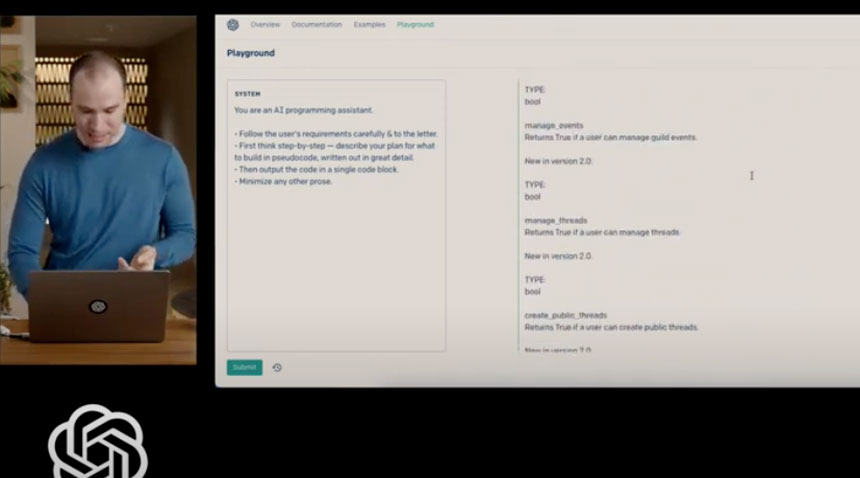
    Greg Brockman, President and Co-Founder of OpenAI showcased GPT-4 and some of its capabilities/limitations through a 24 minutes live broadcast on YouTube (video below). In addition, a blog post detailed the model’s capabilities and limitations, including eval results.

    “GPT-4 can solve difficult problems with greater accuracy, thanks to its broader general knowledge and advanced reasoning capabilities,” said the company.

    “It can generate, edit, and iterate with users on creative and technical writing tasks, such as composing songs, writing screenplays, or learning a user’s writing style.”

    OpenAI opened an API Waitlist to get access to the GPT-4 API. It gave priority access to developers who contribute to model evaluations to OpenAI Evals.

    Paid users of ChatGPT Plus were offered GPT-4 access on chat.openai.com with a usage cap.

    The pricing of the API was the following:

    • gpt-4 with an 8K context window (about 13 pages of text) will cost $0.03 per 1K prompt tokens, and $0.06 per 1K completion tokens.

    • gpt-4-32k with a 32K context window (about 52 pages of text) will cost $0.06 per 1K prompt tokens, and $0.12 per 1K completion tokens.

    The New York Times: GPT-4 Is Exciting and Scary

  • OpenAI Positions Itself as a Corporate, Closed-Source, and For-Profit Business

    OpenAI Positions Itself as a Corporate, Closed-Source, and For-Profit Business

    IBL News | New York

    OpenAI, backed by a multi-billion-dollar Microsoft partnership, has recently partnered with Bain to bring machine learning to Coca-Cola’s operations.

    Now at the center of a chatbot arms race, the San Francisco – based AI lab is speaking about expanding into more corporate partners.

    Analysts noted that OpenAI has become everything it promised not to be when founded in 2015 as a nonprofit research organization by Altman, Elon Musk, Peter Thiel, and LinkedIn cofounder Reid Hoffman.

    “Now it’s corporate, closed-source, and for-profit,” an expert says.

    For now, OpenAI announced it has provided services to four early adopters of its technology: Snap, Quizlet, Instacart, and Shopify.

    Snap Inc., the creator of Snapchat, introduced My AI for Snapchat+ this month. The experimental feature is running on ChatGPT API. My AI offers Snapchatters a chatbot with recommendations.

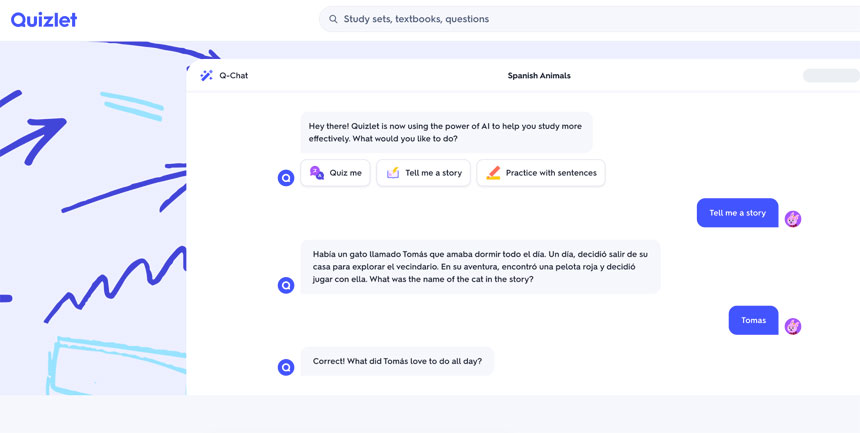
    Quizlet, a global learning platform with 60 million students using it to study, practice and master whatever they’re learning, has leveraged GPT-3 across multiple use cases, including vocabulary learning and practice tests. It introduced Q-Chat, a fully-adaptive AI tutor that engages students with adaptive questions based on relevant study materials delivered through a fun chat experience.

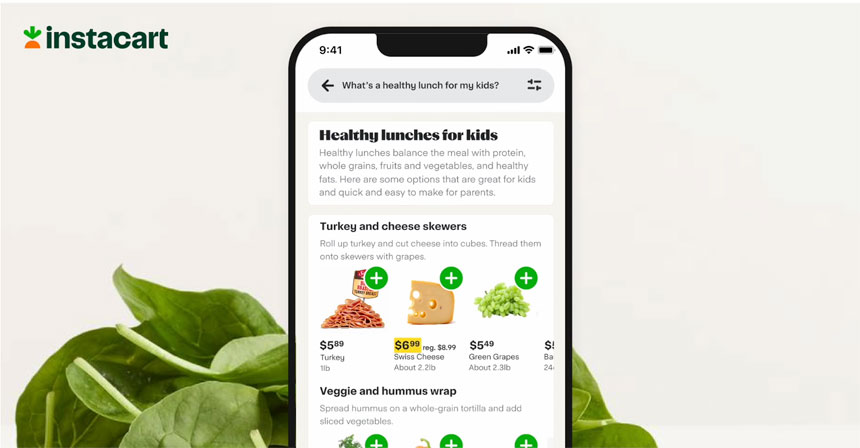
    Instacart uses ChatGPT alongside its own AI to enable customers to ask about food and get inspirational, shoppable answers. Instacart uses its product data from its 75,000+ retail partner store locations. Instacart plans to launch “Ask Instacart” later this year.

    Shop, Shopify’s consumer app, is used by 100 million shoppers to find and engage with products and brands. ChatGPT API is used to power Shop’s new shopping assistant to make personalized recommendations by scanning millions of products to quickly find what buyers are looking for—or help them discover something new.

    Speak is an AI-powered English language learning companion app in South Korea, focused on building the best path to spoken fluency. It’s using the Whisper API to unlock open-ended conversational practice and highly accurate feedback.